Key Takeaways
- Porcelain veneers cover only the front face of a tooth, while porcelain crowns wrap the entire tooth on all surfaces.
- Veneers and crowns are made from the same high-strength ceramics, so the real difference is engineering, not material.
- Because a veneer bonds to a single surface, it can crack or debond when teeth flex during chewing, a risk that rises with grinding, clenching, or an uneven bite.
- Full-coverage crowns distribute chewing force around the whole tooth, which is why well-made crowns often last far longer than veneers.
- Veneers still suit small cosmetic changes on healthy upper front teeth with a balanced bite, while crowns better fit damaged teeth, heavy bite forces, or maximum longevity.
- The right choice depends on a patient’s bite, habits, and goals, which Dr. J. Ladd Williams evaluates case by case at J. Ladd Williams Cosmetic Dentistry in Mesa, AZ.
Researching ways to transform your smile? Then you’ve probably run into the two most popular options: porcelain veneers and porcelain crowns. Most articles treat them as roughly equal, just a matter of preference. Dr. J. Ladd Williams, an AACD-accredited cosmetic dentist in Mesa, sees it differently. After more than 30 years of restorative work and thousands of veneer cases, he reaches a conclusion that often surprises patients.
At J. Ladd Williams Cosmetic Dentistry in Mesa, Arizona, the practice has placed thousands of porcelain veneers. Still, Dr. Williams typically educates patients about how fragile veneers can be. In his words, a veneer is “glued” to the front of a tooth like a fake fingernail. Then, as teeth flex with chewing, the veneer can crack or come off. For many patients, he finds a full-coverage, all-porcelain crown is the better choice. It can last for decades and, done well, looks beautiful.
So this guide walks through both options, explains the clinical reality, and helps you see which approach genuinely fits your situation.
What Are Porcelain Veneers?
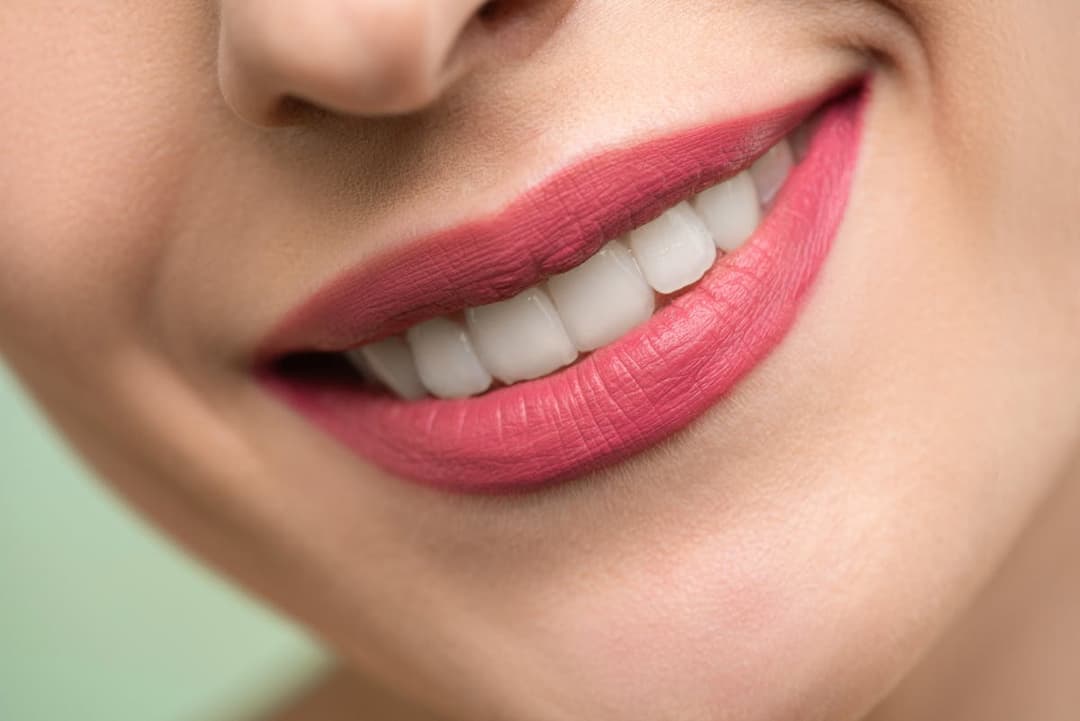
A porcelain veneer is a thin shell of dental ceramic, usually 0.3 to 0.7 millimeters thick. It bonds to the front surface of a tooth. A veneer covers only the visible face, so the back and chewing surfaces stay untouched. Dentists use veneers mainly for cosmetic concerns. For example, they help with stains that won’t whiten, small chips, minor misalignments, or worn enamel.
A dental bonding agent holds the veneer in place. To prepare the tooth, the dentist removes a thin layer of enamel, about the thickness of a fingernail, so the veneer fits and bonds well. For more on the procedure itself, see our guide on porcelain veneers in Mesa, AZ.
What Are Porcelain Crowns?
A porcelain crown, sometimes called a “cap”, covers the entire visible portion of a tooth. Unlike a veneer, which only addresses the front, a crown wraps every surface: front, back, sides, and chewing surface. Dentists often use crowns to restore teeth that are damaged, decayed, cracked, or treated with a root canal. However, a crown is also an excellent cosmetic option on its own.
To place a crown, the dentist reshapes the tooth and removes a bit more material than with a veneer. Then a custom porcelain crown is fabricated to fit precisely. Finally, the crown is cemented in place, encasing the natural tooth underneath.
The Hidden Weakness of Veneers
Most cosmetic dentistry articles skip this: many patients assume veneers are strong because they’re porcelain, and porcelain is strong. The issue isn’t the material. The issue is how a veneer attaches to the tooth.
A veneer bonds to the flat front of a tooth, much like a fake fingernail glued over a real one. The bond is strong, but it covers only one surface. Meanwhile, your teeth flex slightly every time you chew, grind, clench, or bite. That flexing is normal. In fact, it’s how teeth absorb force without breaking.
The problem is simple: porcelain veneers don’t flex. Porcelain is brittle. So when the tooth bends and the veneer can’t bend with it, stress builds up at the bond line. Over time, that stress can crack, chip, or pop the veneer off. This is especially common in patients who:
- Have any degree of jaw clenching or grinding (bruxism)
- Have an uneven bite or other occlusal issues
- Chew on hard foods, ice, or non-food items like pen caps
- Have veneers on lower teeth, which flex more than upper teeth
Over the years, Dr. Williams has replaced many failed veneers, sometimes within a few years of placement. As he explains it, the dentist who placed them and the lab that made them usually aren’t at fault. It’s the geometry of the restoration itself.
Why Full-Coverage Crowns Are Often Stronger
A full-coverage crown solves the flexing problem by wrapping the entire tooth. Instead of one bonded surface, the crown encases the tooth on all sides. So when the tooth flexes, the crown flexes with it as a single unit. As a result, the stress spreads across the whole restoration rather than piling up at a thin bond line.
Porcelain crowns are made of the same material as veneers. Both can use high-strength dental ceramics like lithium disilicate (E.max) or zirconia. The difference isn’t the porcelain. It’s the engineering. By covering the whole tooth, a crown turns that porcelain from a delicate facade into a structural shell.
That’s why, in Dr. Williams’ experience, well-made porcelain crowns routinely last 15 to 30 years or longer. In fact, many of the crowns he placed decades ago still serve his patients today, looking as good as the day they went in.
When Veneers Still Make Sense
To be clear, Dr. Williams is not against veneers. There are situations where they’re the right call:
- Small cosmetic changes on healthy teeth. If your teeth are sound and you only need minor tweaks to color, shape, or alignment, veneers preserve more natural tooth than crowns.
- No clenching, grinding, or bite problems. If your bite is balanced and you don’t overload your front teeth, veneers can last a long time.
- Upper front teeth specifically. Veneers on the upper front teeth tend to outlast veneers on lower teeth, because they take less direct chewing force.
- A desire to keep maximum enamel. Veneer prep removes less tooth structure than a crown, an important point for younger patients.
When veneers are the right choice, they can look stunning. Still, the decision should rest on your bite, your habits, and your long-term goals. It shouldn’t rest on the assumption that veneers are automatically the “more conservative” option.
When Crowns Are the Better Choice
When you weigh porcelain crowns vs veneers, the decision often comes down to how much chewing force the restoration must handle over the years. A full-coverage crown is usually the stronger option when:
- The tooth has real damage or decay. A crown rebuilds and protects what’s left of the natural tooth.
- You clench, grind, or have TMJ issues. The full-coverage design handles those forces far better than a veneer.
- You want maximum longevity. Crowns routinely outlast veneers, often by decades.
- You’re planning a full smile makeover. Across multiple teeth, crowns give a more predictable long-term result.
- You’ve had veneers fail before. A past failure usually points to your bite or habits, and a crown is more forgiving.
- The tooth has had a root canal. Treated teeth are more brittle and almost always need a crown for protection.
Porcelain Crowns vs. Veneers: Side-by-Side Comparison
| Feature | Porcelain Veneer | Porcelain Crown |
|---|---|---|
| Coverage | Front face of tooth only | Entire tooth surface |
| Tooth structure removed | Minimal (0.3–0.7 mm) | Moderate (1.5–2.0 mm) |
| Material | Porcelain / lithium disilicate | Porcelain / lithium disilicate / zirconia |
| Typical lifespan | 10–15 years (varies) | 15–30+ years |
| Resistance to chewing force | Lower, vulnerable to tooth flexure | Higher, distributes force around the entire tooth |
| Best for clenchers / grinders | No | Yes |
| Best for heavily damaged teeth | No | Yes |
| Aesthetic outcome | Excellent | Excellent |
The Procedure: What to Expect
Porcelain Veneer Placement
Veneer treatment usually takes two appointments. At the first visit, the dentist removes a thin layer of enamel from the front of each tooth and takes impressions or digital scans. Then temporary veneers go on while the lab makes the final ones. At the second visit, usually two to three weeks later, the temporaries come off and the permanent veneers are bonded in place.
Porcelain Crown Placement
Crown treatment follows a similar two-visit timeline. First, the dentist reshapes the tooth, then a scan or impression captures the final form. A temporary crown goes on next. At the second visit, the temporary comes off and the permanent crown is cemented in place. In some cases, same-day technology like CEREC can finish the work in a single visit.
Cost and Investment
The investment in veneers or crowns depends on the number of teeth, the materials chosen, and any added procedures such as gum contouring or whitening. Because the two options age so differently, the more useful comparison is the cost per year of beautiful, functional results, not the price per tooth.
At your consultation, the team reviews your situation, your goals, and your long-term plans, then provides a detailed cost estimate. In addition, the practice offers financing options to make comprehensive cosmetic dentistry more accessible.
Why Choose J. Ladd Williams Cosmetic Dentistry
Dr. Williams has practiced cosmetic and restorative dentistry in Mesa since 1994. He is also an AACD-Accredited Member, a credential held by fewer than 500 dentists worldwide. That accreditation means his actual case work passed a rigorous clinical exam, not just a written test.
His approach to decisions like veneers vs. crowns rests on three principles:
- Honesty about long-term outcomes. He would rather recommend the option that still looks great in 20 years than the one that sells more easily today.
- Respect for natural tooth structure. Every preparation stays as conservative as the situation allows.
- Aesthetic harmony with your whole face. A great restoration isn’t just about one tooth. It’s about how that tooth fits your lips, jaw, and facial proportions.
Dr. Williams is also a member of the American Dental Association, the Arizona Dental Association, the Academy of Operative Dentistry, and the Pankey Institute. On top of that, continuing education in restorative materials, bite analysis, and cosmetic technique is a permanent part of the practice.
Schedule a Consultation in Mesa, AZ
Are you weighing veneers vs. crowns? Perhaps you’ve had veneers fail before and want a second opinion. Either way, the team at J. Ladd Williams Cosmetic Dentistry would be glad to help. So call (480) 964-9020 to schedule a consultation, or visit our contact page to request an appointment online.
The office sits at 1244 N. Greenfield Rd., Ste. 103, Mesa, AZ 85205, and the practice welcomes patients from Mesa, Scottsdale, Phoenix, Gilbert, Chandler, and across the East Valley. You can also explore our before-and-after gallery to see real results, or learn more about our cosmetic dentistry services.
Frequently Asked Questions
Are porcelain veneers really weaker than crowns?
Yes, mechanically. Both use similar porcelain, but a veneer bonds to only one surface while a crown wraps the whole tooth. When teeth flex during chewing, that single-surface bond is more vulnerable to stress than a full-coverage crown. So veneers can crack or pop off, especially in patients who clench, grind, or have bite imbalances.
Why do veneers fall off?
Usually it’s the stress of normal chewing on a one-surface bond. Teeth flex slightly with every bite, but porcelain veneers don’t flex with them. Over time, that stress fatigues the bond line. It happens most often in patients with grinding (bruxism), an uneven bite, or habits like chewing ice. A crown spreads that force across the whole tooth and is far less likely to debond.
Can I have crowns placed on healthy front teeth for cosmetic reasons?
Yes. Crowns are most often linked to damaged teeth, but full-coverage porcelain crowns are also an excellent cosmetic option for healthy front teeth, especially when long-term durability matters most. The trade-off is that preparation removes more tooth structure. Dr. Williams will discuss whether your situation favors a crown or a veneer.
If I currently have veneers, should I replace them with crowns?
Not necessarily. If your veneers are intact, look good, and show no signs of debonding, fracture, or staining at the margins, there’s no need to replace them. However, if you’ve had repeated failures or your veneers no longer match your other teeth, a consultation can show whether crowns are a better long-term fix.
Do crowns look as natural as veneers?
Yes. Modern porcelain crowns use the same high-translucency ceramics as veneers. When a skilled lab designs and characterizes them well, a porcelain crown looks just like a natural tooth. In short, the key is the skill of the dentist and the ceramist, not the type of restoration.
How long do porcelain crowns last compared to veneers?
In Dr. Williams’ experience, well-made porcelain crowns routinely last 15 to 30 years or longer. Porcelain veneers typically last 10 to 15 years before they need replacing. Of course, your bite, your habits, your oral hygiene, and the quality of the original placement all affect the result.