
Key Takeaways
- A smile makeover that lasts starts with the face. Proportion, lip dynamics, and bite come before any porcelain decision.
- Dr. Williams evaluates an eight-step sequence (face, eyes, lips/cheeks, jaw line, muscle harmony, teeth, gums, bone) before recommending any treatment.
- Best suited for patients weighing a smile makeover who want a natural result that still looks right in ten years, not just at the unveiling photo.
- Consultations are complimentary to schedule, and treatment options are discussed without any obligation. Contact the practice for a personalized consultation.
- Performed at J. Ladd Williams Cosmetic Dentistry in Mesa, AZ, where Dr. Williams has completed more than 5,000 smile makeovers as an AACD-Accredited cosmetic dentist.
Dr. Williams doesn’t start a smile makeover with the teeth. After more than 5,000 cases, he starts with the face. The teeth come later. The first thing evaluated is the whole face: its structure and proportions, the way the lips frame the mouth at rest and in expression, and how the muscles move when a patient speaks and smiles. The teeth, gums, and bone are evaluated next. Harmony matters most, and it starts with the face.
This article walks through the design framework used at J. Ladd Williams Cosmetic Dentistry in Mesa, Arizona, so patients know what to expect from a serious cosmetic consultation, and why some smile makeovers look natural for decades while others look “off” from the moment they’re cemented.
The Harmony Framework: What Gets Evaluated First
When a patient comes in wanting a smile makeover, the consultation isn’t a swatch book and a price quote. Dr. Williams describes the sequence directly:
“I look at the overall structure of their face, including the eyes, lips, cheeks, jaw line, and muscle harmony. Next I look at teeth, gums, and the bony structures in the mouth. The most critical part of a smile makeover is harmony: harmony with the smile, harmony with the jaw function, harmony with the shape of the face, harmony with the position and color of the whites of the eyes, and the color of the teeth, lips, and skin tone.”
In practice, that means an evaluation in this order:
- The face. Overall structure: the relationship between the upper and lower thirds of the face, the position of the chin, the symmetry of the cheekbones.
- The eyes. Specifically, the position and the color of the whites of the eyes. The brightness of new teeth is calibrated to this, since porcelain that’s whiter than the sclera looks artificial.
- The lips and cheeks. How the lips frame the smile at rest, in conversation, and at full expression. How the cheek tone moves around the mouth.
- The jaw line. Symmetry, position, how the lower jaw relates to the upper jaw. This is bite geometry.
- Muscle harmony. How the muscles of mastication and expression work together, especially at rest and during the natural smile.
- The teeth. Position, shape, color, condition, and the relationships between adjacent teeth.
- The gums. Symmetry, contour, and health.
- The bony structure. Underlying support, visible through clinical exam and Cone Beam 3D imaging.
This sequence isn’t theoretical. It determines whether a finished smile looks like it belongs to the person, or whether it looks like dental work was bolted onto their face.
Why Harmony Is the Most Critical Element
A smile makeover succeeds when the result fits. That means harmony in multiple dimensions:
- Harmony with the smile itself. The curve of the teeth follows the curve of the lower lip, the midline of the teeth lines up with the midline of the face, and no single tooth shouts louder than the rest.
- Harmony with the jaw function. A balanced bite lets the teeth chew, speak, and rest comfortably; a beautiful smile that hurts to use is a failed restoration.
- Harmony with the shape of the face. Square, oval, and heart-shaped faces each call for different front-tooth proportions. Cookie-cutter veneer kits often miss this.
- Harmony with the eyes. Specifically the position and color of the whites of the eyes, a subtle but powerful signal that’s easy to overlook.
- Harmony with skin tone and lip color. What reads “natural white” on cool-toned skin can read “fake” on warm-toned skin.
When all of those elements align, the result looks effortless. When even one is off, patients can usually tell something’s off, even though they can’t say why.
The Consultation: What Actually Happens
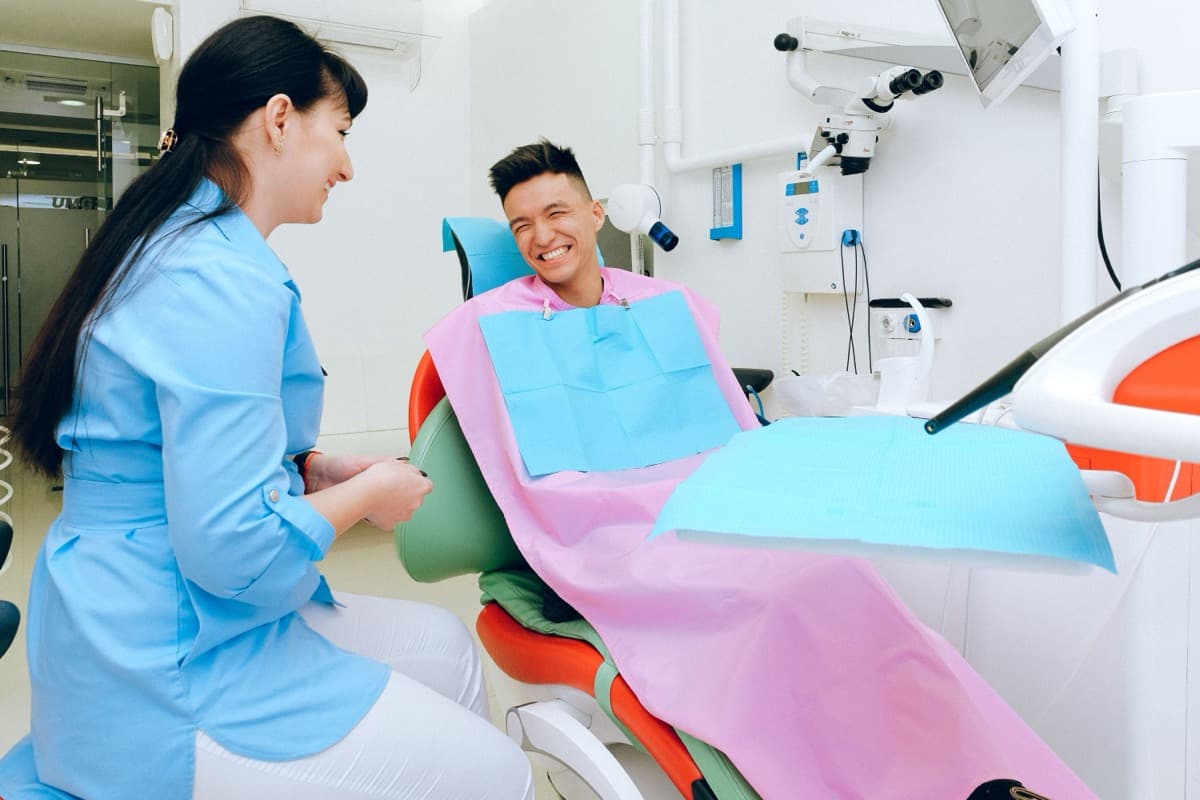
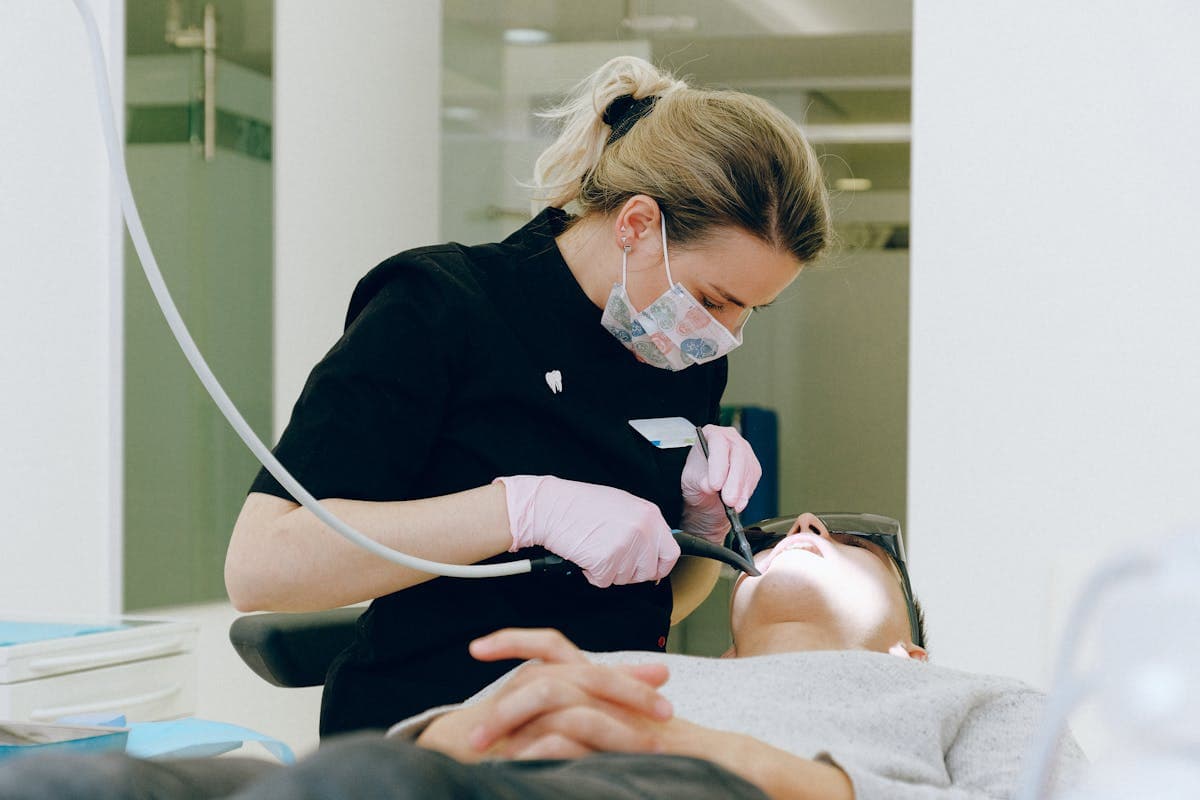
A smile makeover consultation at the Mesa office goes well beyond a quick look in the mirror. The visit includes:
- A facial proportion analysis. Measuring the relationships between the eyes, nose, lips, and chin to identify what a naturally proportioned smile would look like on that patient’s specific face.
- Lip dynamics review. Observing how the lips move at rest, in casual conversation, and at full smile. This determines how much tooth shows and where.
- Bite analysis. Mapping how the teeth meet, where forces are distributed, and whether the bite is structurally sound.
- Cone Beam 3D imaging when appropriate, particularly for cases involving implants, full mouth reconstruction, or significant occlusal changes.
- Digital smile preview. Using photographs and digital tools to show what proposed changes would look like before any treatment begins.
- Material and option discussion. Covering crowns vs veneers, whitening, Invisalign, and any other treatments that may be appropriate.
By the end of the consultation, the goal is for the patient to have a complete picture: what the smile could look like, what it would involve, what trade-offs exist, and what the real options are.
Common Components of a Smile Makeover
A smile makeover is rarely one procedure. It’s a coordinated plan combining several. The components most often involved include:
| Component | Used For |
|---|---|
| Porcelain veneers | Front-tooth aesthetic changes in patients with favorable bite |
| Porcelain crowns | Full-coverage restoration for damaged teeth or for maximum durability |
| Professional teeth whitening | Brightening natural teeth to match new restorations |
| Gum contouring | Reshaping uneven gum lines for symmetry |
| Invisalign or orthodontics | Aligning teeth before restorative work to preserve more tooth structure |
| Dental implants | Replacing missing teeth as part of the broader makeover |
| Composite bonding | Small chips, gaps, or minor shape corrections |
The right combination depends entirely on the harmony framework: what a patient’s face, bite, and existing dentition actually need.
What a Great Smile Makeover Doesn’t Look Like
The clearest sign of a smile makeover done well is that no one can tell it was done. The result reads as “this is how their teeth always looked.” A smile that announces itself has uniformly white blocks, dead-flat edges, and dimensions that don’t match the face. That’s a smile that prioritized porcelain over the person.
Specific warning signs of an overdone makeover:
- Teeth whiter than the whites of the eyes
- All upper teeth identical in shape and size
- No subtle variation in tooth length or character
- The midline of the teeth doesn’t align with the midline of the face
- The smile looks the same in every photograph because the teeth dominate every expression
A natural-looking smile breathes with the face. Getting there takes a design framework that starts above the mouth, not below it.
Schedule a Smile Makeover Consultation in Mesa, AZ
For patients who want a consultation that starts with facial analysis, J. Ladd Williams Cosmetic Dentistry welcomes the conversation. Call J. Ladd Williams Cosmetic Dentistry at (480) 964-9020 to schedule a consultation, or visit the contact page to request an appointment.
The office is located at 1244 N. Greenfield Rd., Ste. 103, Mesa, AZ 85205, and welcomes patients from Mesa, Scottsdale, Phoenix, Gilbert, Chandler, and throughout the East Valley. To see real results from the practice, visit the before-and-after gallery, or read the complete Smile Makeover in Mesa, AZ guide.
Frequently Asked Questions
What does a cosmetic dentist look at first during a smile makeover consultation?
The whole face, before a single tooth is discussed. That means facial structure, the eyes, lip and cheek movement, and the jaw line, the teeth, gums, and bone come after. A smile designed without reference to the rest of the face rarely looks right once it’s finished.
How long does the smile makeover design process take?
The consultation and design phase typically spans one to three visits before any treatment begins, depending on complexity. This includes facial analysis, bite analysis, imaging if needed, and a digital preview of the proposed result.
What’s the biggest mistake patients make when choosing a smile makeover dentist?
Choosing based on porcelain shade options or marketing rather than design philosophy. Two dentists can offer the same materials and the same procedures and produce completely different aesthetic outcomes, because the judgment about what looks natural on a specific face is where experience matters most.
Why are AACD-accredited dentists different from cosmetic dentists who aren’t?
AACD Accreditation requires passing both a written examination and a rigorous review of actual finished case work by a panel of accredited members. It’s one of the few credentials in cosmetic dentistry that evaluates clinical outcomes rather than just continuing education hours. Fewer than 500 dentists worldwide hold the credential.
Will my smile makeover still look natural in 10 years?
Yes, if the design framework starts with facial harmony and the materials and bite are properly engineered. The reason some makeovers age badly is that the original design ignored the broader face or the bite. A makeover anchored in harmony tends to look natural for as long as the underlying teeth and gums remain healthy.
Are digital previews of the proposed smile available before treatment?
Yes. Photographs, digital tools, and in some cases physical mock-ups let patients see proposed changes before any treatment begins. This is a critical part of the harmony-first approach because it lets the patient and dentist agree on the design before anything is permanent.