
Key Takeaways
- All-On-4 replaces a full arch of missing teeth using just four titanium implants.
- Most patients leave surgery the same day with a temporary, fixed set of teeth.
- Angling the back implants into denser bone often avoids the need for bone grafting.
- It’s best for people with extensive tooth loss or failing teeth who want a fixed, non-removable solution.
- Dr. Williams plans every case with Cone Beam 3D imaging at J. Ladd Williams Cosmetic Dentistry in Mesa, AZ.
Have you lost most or all of your teeth? Maybe you’re facing that prospect now. Either way, traditional removable dentures aren’t your only option. All-On-4 dental implants in Mesa, AZ replace an entire upper or lower arch on just four titanium implants. The result is a fixed set of teeth that looks and feels like natural teeth. Better still, most patients leave the surgical visit the same day with temporary teeth already in place.
At J. Ladd Williams Cosmetic Dentistry in Mesa, Arizona, Dr. Williams has placed thousands of dental implants over more than three decades. His personally tracked implant success rate is 97% at the five-year mark. Careful planning starts with Cone Beam 3D imaging, used on every case. Are you tired of loose dentures, repeated bridge work, or a failing set of teeth? Then this guide is for you.
What Is the All-On-4 Procedure?
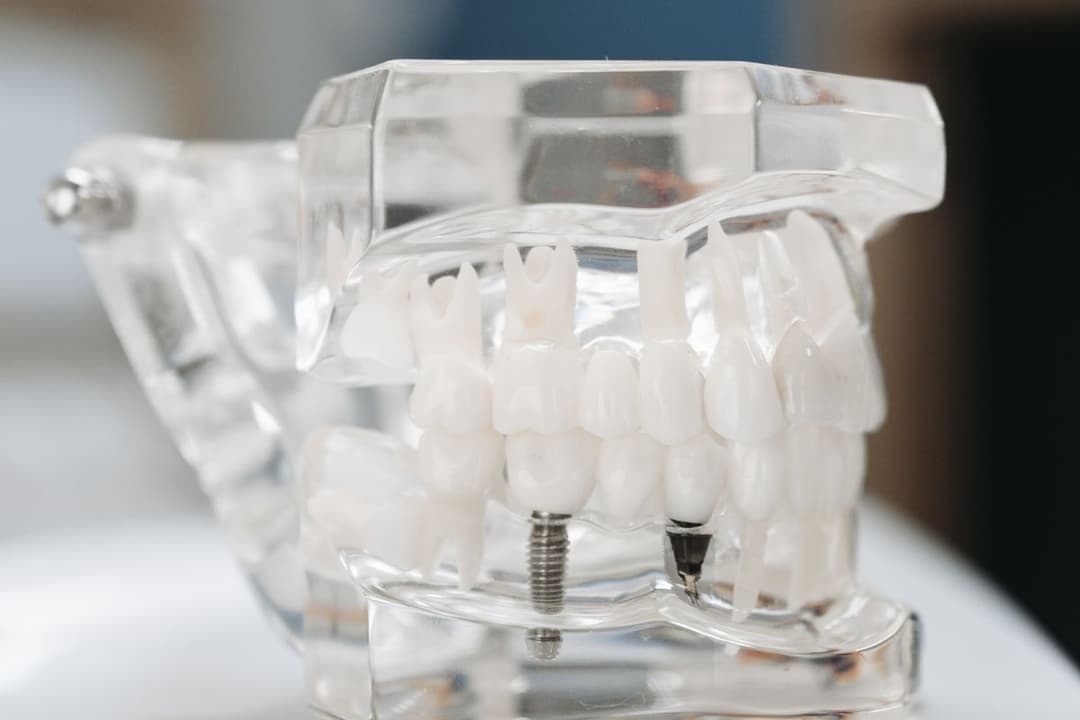
All-On-4 is a full-arch technique. It uses four titanium posts to anchor a complete set of replacement teeth. First, the dentist places two implants vertically toward the front of the jaw, where the bone is usually densest. Then the other two go in at an angle toward the back, usually 30 to 45 degrees. As a result, the implants can anchor into solid bone without crossing the sinus cavities or the nerve.
Next, a custom prosthesis attaches to the implants. Some people call it a hybrid denture because it blends the precision of implants with the form of a denture. However, it does not behave like a denture. A regular denture rests on the gums and shifts when you chew or speak. The All-On-4 prosthesis screws or cements directly onto the implants, so it stays put.
In most cases, you get a temporary fixed set of teeth the same day as surgery. That’s why this treatment is sometimes called Teeth-in-a-Day. Finally, the permanent restoration goes in a few months later, once the implants have fully fused with the bone.
Who Is a Good Candidate for All-On-4?
All-On-4 is designed for patients who:
- Have lost most or all of the teeth in one or both arches
- Are facing extraction of failing teeth from decay or gum disease
- Are unhappy with how dentures shift, slip, or limit what they can eat
- Want a fixed solution they never have to remove for cleaning
- Have enough bone to support implants, or will consider grafting if needed
- Are ready for the daily care and checkups that keep implants healthy
During your consultation in Mesa, Dr. Williams reviews your oral health, your bite, and your medical history. He also studies your jawbone with a Cone Beam 3D scan. Some conditions can slow healing, so the team talks them through first. For example, uncontrolled diabetes, heavy smoking, and certain medications all matter. Do you lack enough bone for standard placement? Then other options, such as zygomatic implants or grafting, may still get you there.
How All-On-4 Differs from Traditional Implants
Replacing a full arch the traditional way often takes 6 to 10 separate implants. It usually needs heavy bone grafting in the back of the jaw, too, where bone tends to shrink after tooth loss. That approach works well. However, it can mean more surgery, more cost, and a longer timeline.
All-On-4 reduces the number of implants through two smart design choices:
- Angled back implants. By tilting the rear implants forward, the dentist anchors them in the denser bone near the front. As a result, this often avoids sinus lifts in the upper jaw and nerve work in the lower jaw.
- Cross-arch support. One rigid prosthesis links all four implants. Therefore chewing forces spread evenly across the whole arch, and four implants can do the work of many more.
So you end up with a fixed, full-arch result. It’s usually faster, more affordable, and open to patients who were once told they needed extensive grafting.
How All-On-4 Differs from Traditional Dentures
Removable dentures and All-On-4 share one goal: replacing a full arch of teeth. Still, the day-to-day experience could not be more different.
| Feature | All-On-4 Implants | Traditional Dentures |
|---|---|---|
| Removable | No (fixed in place) | Yes (removed daily) |
| Preserves jawbone | Yes: implants stimulate bone | No: bone loss continues |
| Stability when eating | Excellent: chew anything | Fair: many foods are off-limits |
| Speech clarity | Natural | Often affected at first |
| Adhesive required | No | Often yes |
| Typical lifespan | 20+ years (implants often lifetime) | 5 to 10 years; relines needed sooner |
| Facial appearance over time | Maintained | Sunken look as bone resorbs |
The Procedure: Step by Step
Step 1: Consultation and 3D Imaging
Your first visit includes a detailed exam, digital photos, and a Cone Beam 3D CT scan of your jaw. This 3D image shows the dentist your bone volume, your bone density, your sinuses, and your nerve pathways. Then Dr. Williams uses that data to design a virtual surgical plan. He maps out exactly where each implant will go before surgery day.
Step 2: Surgical Implant Placement
On surgery day, the dentist first removes any failing teeth. Next, he places the four implants with a precision guide built from your 3D scan. Then a temporary set of fixed teeth attaches the same day. Most patients are surprised by how comfortable the visit feels. Local anesthesia and sedation keep you relaxed, and discomfort afterward is usually mild.
Step 3: Healing and Osseointegration
Over the next three to six months, the implants go through osseointegration. In plain terms, the titanium fuses with your jawbone and forms a permanent anchor. Meanwhile, you wear the temporary teeth and can eat softer foods right away. The team also schedules short visits to check that healing is on track.
Step 4: Final Prosthesis Fitting
Once the implants fully fuse, the temporary teeth come off and your final restoration goes on. Dr. Williams designs that final set to match your face, your lip support, and your ideal bite. It’s also built from stronger materials than the temporary. So you get a permanent set of teeth made to last for decades. You rarely think about them.
Recovery: What to Expect
Most patients return to light daily activities within a day or two. For the first few weeks, you’ll stick to a soft-food diet to protect the implants while they heal. Then you move from liquids, to soft foods, to a normal diet over a few months. Mild swelling and bruising are common at first, but they fade quickly.
Throughout recovery, the team stays available by phone and for follow-ups. Above all, keep the surgical sites clean with gentle saline rinses and the routine the office gives you.
Caring for Your All-On-4 Implants
Here’s a big advantage over removable dentures: care is simpler. Your new teeth stay in your mouth, and you treat them much like natural teeth:
- Brush at least twice a day with a soft or electric toothbrush
- Use a water flosser or small brushes to clean under the prosthesis
- Come in for a professional cleaning and implant check every six months
- Avoid biting very hard objects, such as ice, hard candy, or pen caps
- Wear a night guard if you grind, the practice can make a custom appliance to protect it
With good care, the titanium implants are built to last a lifetime. The visible teeth on top may need refreshing after many years of use. Even then, the implants underneath usually stay solid.
Cost and Investment
All-On-4 is a real investment. Still, it’s often more affordable than placing many single implants across the same arch, especially when grafting can be skipped. Several factors shape the cost:
- Whether you treat one arch or both
- The materials chosen for the final prosthesis
- Whether you need extractions or grafting first
- Your sedation preferences for surgery
Because every case differs, the practice provides a detailed treatment plan and cost estimate after your Cone Beam 3D scan and consultation. In addition, the office offers financing options to make full-arch treatment easier, and the team will help you understand your dental insurance. For broader context, see our guide on full mouth reconstruction cost in Mesa, AZ.
How All-On-4 Fits Into Full Mouth Reconstruction
Some patients have a mix of failing teeth, partial tooth loss, and bite problems. For them, All-On-4 is often one part of a broader full mouth reconstruction. For example, an All-On-4 might restore one arch while crowns, bridges, or single implants restore the other. Either way, the dentist designs it all to work as one healthy bite.
Not sure whether All-On-4 alone is right for you? Then our preparation guide for full mouth dental implants walks through the wider evaluation and what to expect.
Why Choose J. Ladd Williams Cosmetic Dentistry
Dr. Williams has placed dental implants in Mesa for decades, thousands over the years. His personally tracked implant success rate sits at 97% at the five-year mark. He tracks that number himself rather than relying on industry averages. Moreover, he plans every All-On-4 case with the in-office Cone Beam 3D scanner for surgical-grade detail.
The practice’s approach includes:
- 3D-guided planning for precise, minimally invasive placement
- Same-day temporary teeth so you leave with a smile
- Custom final teeth that fit your face, your bite, and your goals
- A whole-mouth philosophy, each case treated as part of the bigger picture
- Long-term follow-up to protect your investment for decades
Dr. Williams is also an AACD-Accredited Member, a credential held by fewer than 500 dentists worldwide. In addition, he belongs to the American Dental Association, the Arizona Dental Association, the Academy of Operative Dentistry, and the Pankey Institute. He has served patients in Mesa and the East Valley since 1994.
See Real Patient Results
Want to see what All-On-4 results look like? Then visit our before-and-after gallery, which features real cases from the Mesa office. You can also explore our guides to single-tooth and multi-tooth dental implants and to comparing dental implants with dentures.
Schedule a Consultation in Mesa, AZ
Are you considering All-On-4? Perhaps you’ve been told you aren’t a candidate for traditional implants and want a second opinion. Either way, the team at J. Ladd Williams Cosmetic Dentistry would be glad to help. So call (480) 964-9020 to schedule a consultation. You can also visit our contact page to request an appointment online.
The office sits at 1244 N. Greenfield Rd., Ste. 103, Mesa, AZ 85205. The practice welcomes patients from Mesa, Scottsdale, Phoenix, Gilbert, Chandler, and across the East Valley.
Frequently Asked Questions
How long does the All-On-4 procedure take?
The surgery itself usually takes 2 to 4 hours per arch. The exact time depends on whether you need extractions and how complex your case is. You leave the same day with a temporary set of fixed teeth. Then the final prosthesis goes in 3 to 6 months later, once the implants fully fuse with the bone.
Is All-On-4 painful?
No, you should not feel pain during surgery. The team uses local anesthesia and sedation to keep you comfortable. Afterward, most patients manage any soreness with over-the-counter or prescription pain relievers. In fact, many return to normal activities within a day or two.
Can I eat normally with All-On-4 implants?
Yes, after the initial healing period. Once your implants fuse and your final teeth are in place, you can eat almost anything. That includes foods denture wearers usually avoid, such as apples, corn on the cob, and steak. During early healing, though, a soft-food diet protects the implants while they fuse.
How much bone do I need for All-On-4?
The All-On-4 design works well even when bone in the back of the jaw is limited. That’s why it often avoids sinus lifts or major grafting. Still, you need enough bone in the front of the jaw to anchor the implants. So Dr. Williams uses Cone Beam 3D imaging to check your bone and confirm the right approach for you.
How long do All-On-4 implants last?
The titanium implants are built to last a lifetime when placed and maintained well. The visible teeth on top may need refreshing after 15 to 20+ years of normal wear. Dr. Williams’ personally tracked implant success rate is 97% at five years. In fact, many implants he placed decades ago still serve his patients today.
Does dental insurance cover All-On-4?
Coverage varies a lot by plan. Many dental policies cover part of the implant or prosthetic costs. In addition, some patients have medical benefits that apply to portions of the treatment. The team will help you understand your coverage and discuss financing options.