
Key Takeaways
- Full mouth dental implants replace an entire arch of missing or damaged teeth with restorations that look and function like natural teeth.
- Thorough medical and dental evaluations, including X-rays or 3D imaging, confirm whether the jawbone and gums can support implants before surgery.
- Some patients need preparatory work such as bone grafting or gum treatment to build a stable foundation.
- Following pre-surgery instructions, avoiding smoking, and preparing a soft-food recovery area support smoother healing.
- Committing to follow-up visits and good oral hygiene protects long-term implant stability.
- Patients in the East Valley can have their candidacy evaluated at J. Ladd Williams Cosmetic Dentistry in Mesa, AZ.
Undergoing full mouth dental implants surgery is a life-changing decision that can restore your smile and improve chewing function.
Proper preparation is key to ensuring the best possible results and a smooth recovery. From scheduling medical and dental evaluations to making important lifestyle adjustments, each step you take before surgery can influence your comfort and healing process.
Knowing what to expect helps reduce anxiety and sets you up for success. This guide covers the essential steps to prepare for your upcoming full mouth dental implants procedure.
Understanding Full Mouth Dental Implants
The treatment involves a series of steps within the dental implant process, starting with planning and evaluation, followed by oral surgery to place the implants into the jawbone.
This surgical procedure provides a stable foundation for permanent replacement teeth. The dental implant procedure may include bone grafting if extra support is needed. Unlike dentures, the implant procedure integrates with your jaw, preventing bone loss and offering lasting stability. Overall, dental implant surgery restores function, aesthetics, and long-term oral health.
Why Preparation Matters for Dental Implants
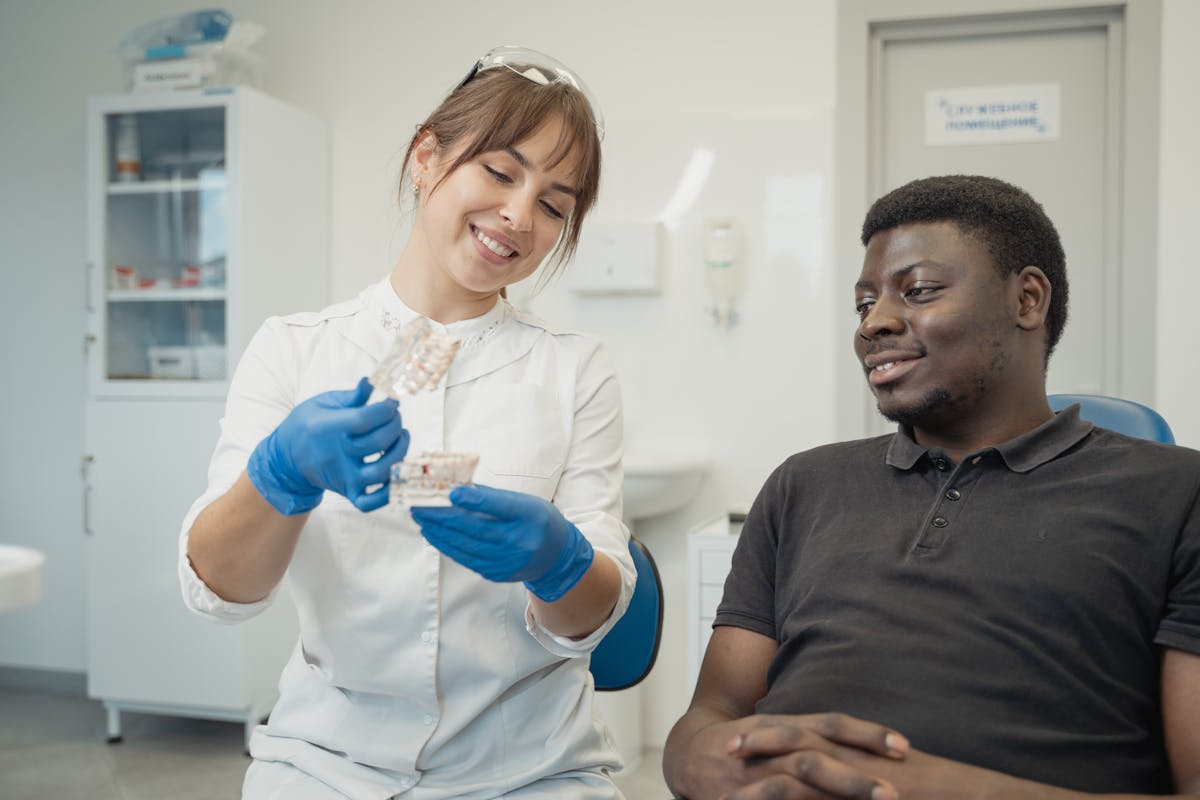
Preparing for dental implant surgery is key to achieving the best results. Implants involve placing a small post in the jawbone to support a replacement tooth, and proper preparation reduces complications, speeds up recovery, and ensures long-term success.
Your dentist and oral surgeon will review your medical history, as conditions like diabetes or heart issues may require precautions. They will also check gum health, bone density, and nearby teeth to ensure precise placement.
Discussing anesthesia options, local, sedation, or general, helps you plan for transportation and recovery. Good oral hygiene, quitting smoking, and adjusting medications or diet can lower infection risks and promote healing. Here we guide you through every step to ensure a smooth surgery and lasting results.
Medical and Dental Evaluations Before Surgery
If your bone density is insufficient, bone grafting may be recommended to rebuild the jaw and create a stable foundation for the implants, increasing the chances of long-term success. Your dentist will also check your gum health, as healthy gums are crucial for proper healing and implant stability. Any gum disease or infection must be treated before surgery.
Your medical history will also be reviewed to identify any risks, such as chronic conditions or medications that could affect healing. These evaluations help your dental team create a personalized treatment plan, ensuring every step, from bone grafting to implant placement, is tailored to your needs for the best results.

Preparing for full mouth dental implant surgery takes more than showing up on the day. This procedure restores missing teeth with lifelike replacements supported by implant roots.
Proper preparation improves healing, lowers the risk of complications, and ensures the best results for your smile restoration.
Below is a complete guide on how to prepare, from your initial consultation to recovery planning, so the entire process goes as smoothly as possible.
1. Attend an Initial Consultation
Your journey starts with an initial consultation with a qualified dental professional. This visit reviews your medical history and identifies any health conditions, like diabetes or heart issues, that could affect surgery or healing.
Next is a comprehensive dental exam, often including X-rays or 3D imaging to assess bone density, gum health, and remaining teeth.
This is also the time to discuss how many teeth need replacement, your options, and whether bone grafting is needed for implant stability. Our practice uses advanced diagnostic technology to create a precise, effective treatment plan tailored to you.
2. Address Bone and Gum Health Before Surgery
For successful implant placement, your jawbone must be strong enough to support the implant posts. If there has been bone loss due to tooth loss or long-term denture wear, your dentist may recommend a bone graft. This procedure rebuilds bone in the implant site and upper jaw, creating a stable foundation for implants.
Equally important is healthy gum tissue. Any infections or gum disease must be treated to prevent infection at the surgical site and to help your gums heal properly after surgery.
3. Understand the Surgical Plan
Your dentist will create a detailed treatment plan outlining each step of the implant surgery, including whether it will be performed under local anesthesia, general anesthesia, or with sedation dentistry.
This is also the stage to ask questions about the entire process, from preparation to fitting your new teeth. Your provider should explain the timeline, the expected healing phases, and precautions to avoid implant failure.
4. Follow Pre-Surgery Instructions
Your dentist will give you specific directions to follow in the days leading up to surgery. Common instructions include:
-
- Avoid smoking or vaping for several weeks before and after surgery to improve healing.
-
- Limit alcohol consumption, as it can slow tissue repair and increase bleeding risk.
-
- On the day of surgery, do not wear makeup, lotions, or strong fragrances, as they can interfere with the surgical environment.
-
- If receiving general anesthesia or IV sedation, arrange transportation and avoid eating or drinking for a set period before the procedure.
-
- Prepare to refrain from operating heavy machinery for at least 24 hours after sedation.
5. Prepare Your Home and Recovery Area
Your recovery will be much smoother if your home is ready before you return from surgery. Set up a comfortable space where you can rest with your head elevated to reduce swelling. Keep cold compresses on hand for the first 24–48 hours to control inflammation.
Stock your kitchen with soft foods, such as yogurt, mashed potatoes, smoothies, and soups, so you can eat soft foods without putting pressure on the implants. Soft eating is especially important while the implant site heals and until your gums heal around the posts.
6. Manage Pain and Minor Bleeding
It’s normal to experience some discomfort and minor bleeding after implant placement. Your dentist will prescribe or recommend pain medication to keep you comfortable during the first few days. Follow all dosage instructions carefully and avoid overuse.
You may also receive an antibacterial mouth rinse to prevent infection at the surgical site. Use it exactly as directed to protect the healing tooth roots and surrounding tissues.
7. Plan for Post-Surgery Limitations
After implant surgery, you’ll need to limit physical activity for several days. Avoid strenuous exercise or heavy lifting, as this can increase swelling and bleeding. If you have a physically demanding job, arrange for sufficient time off.
For those receiving sedation dentistry or general anesthesia, you must not drive or operate heavy machinery for at least 24 hours. Arrange for someone to assist you with transportation and basic needs during the first day or two.
8. Be Aware of Risks and How to Avoid Them
Full mouth dental implants have high success rates, but implant failure can happen if aftercare isn’t followed. Poor oral hygiene, smoking, or untreated gum infections can affect healing and implant stability.
Following your dentist’s advice on cleaning around the implant site and caring for your teeth is crucial. Regular check-ups help monitor healing, ensure proper integration, and catch problems early. At J. Ladd Williams Cosmetic Dentistry, we provide personalized aftercare and ongoing support to protect your investment and ensure lasting results.
9. Stay Committed to Follow-Up Care
Your follow-up visits are an essential part of the entire process. These appointments allow your dental professional to check the stability of the implants, the healing of the gum tissue, and the integration of the posts with the jawbone.
Your dentist will confirm when it’s safe to move from temporary tooth replacement options to your permanent artificial tooth restorations. This final step will complete your transformation, giving you a strong, functional, and beautiful natural smile.
10. Mentally Prepare for the Timeline
A full mouth implant procedure is not a quick fix. Depending on the need for bone grafting, gum treatments, or other preparatory work, the entire process can take several months. Keeping realistic expectations will help you stay motivated and committed to each stage, from implant placement to enjoying your new teeth.
Remember, the end result is worth it, full restoration of your bite, improved speech, prevention of further bone loss, and the confidence of a natural smile.
Preparing for full mouth dental implant surgery requires careful planning, lifestyle changes, and following your treatment plan closely. From your initial exam to post-surgery recovery with soft foods, each step is crucial for implant success. Working closely with your dentist helps prevent complications and ensures long-lasting, natural-looking results.
Choose J. Ladd Williams for Your Dental Implants
At J. Ladd Williams Cosmetic Dentistry, we understand that full mouth dental implants change more than your smile. They affect your health, appearance, and confidence too.
Our team combines technology, planning, and care to deliver lasting results.
We take the time to assess your unique needs, create a tailored treatment plan, and guide you through every stage, from consultation to recovery. With our focus on patient comfort and implant success, you can feel confident in your results.
Trust our team to restore your smile and help you enjoy the full benefits of dental implants for years to come.
FAQs
What should I do before scheduling the surgery?
Have a full evaluation with your dental team to assess bone density, gum health, and overall oral cavity condition. This may include X-rays, scans, and a treatment plan discussion.
Will I need additional procedures before implants?
Some patients require bone grafting to strengthen the jaw or gum therapy to ensure healthy gums before the implants are placed for long-term stability.
How can I prepare physically for the procedure?
Follow your dentist’s pre-surgery instructions, arrange transportation, and maintain good oral hygiene. Avoid smoking and follow dietary guidance to promote healing after implant placement.
What should I arrange for after surgery?
Plan for soft foods, time off work, and assistance at home if needed. Your dental team will provide aftercare instructions to protect your implants and ensure a smooth recovery process.
Conclusion
Committing to follow-up care and maintaining good oral hygiene protects your implants for years, giving you a strong, natural-looking smile for life.