
Key Takeaways
- Dental implants are titanium posts placed in the jawbone that act as artificial tooth roots, restoring both chewing and speaking function.
- Because implants anchor securely to the bone, they restore natural bite force and let people eat fibrous foods without slippage or discomfort.
- Fixed, stable implant-supported teeth help guide proper tongue placement, improving articulation and eliminating the clicks or slurring common with loose dentures.
- By transmitting chewing forces to the jaw, implants help preserve bone density, prevent neighboring teeth from shifting, and support long-term oral health.
- Good candidates have healthy gums, adequate bone, and solid oral hygiene habits; a dentist evaluates suitability case by case.
- Implant care and consultations are available at J. Ladd Williams Cosmetic Dentistry in Mesa, AZ.
Dental implants changed how dentists replace missing teeth. They do more than restore appearance.
While restoring a natural smile is often the primary goal, dental implants also restore your ability to chew and speak.
This guide explains how dental implants enhance these vital functions, the science that makes them so effective, and why they are a top choice for achieving long-term oral health.
The Impact of Missing Teeth on Daily Life
Losing a tooth, whether from injury, decay, or gum disease, can have far-reaching effects on your oral health and quality of life.
Gaps left by missing teeth can make it harder to chew your favorite foods, alter the way you speak, and even lead to jawbone deterioration or shifting teeth over time. Beyond these physical challenges, missing teeth can take a toll on your confidence, making social interactions less enjoyable and leaving you feeling self-conscious.
While dentures and bridges may restore appearance, they often fall short on comfort, stability, and long-term benefits. Dental implants, on the other hand, provide a durable and reliable solution, offering enhanced functionality while supporting overall oral health.
Understanding Dental Implants
Dental implants are a modern solution for replacing missing teeth, consisting of titanium posts surgically placed into the jawbone to act as artificial tooth roots.
Once the implant has healed, it is fitted with a crown, bridge, or denture to complete the restoration. This direct connection to the jawbone provides unmatched stability compared to options like removable dentures.
The dental implant process typically unfolds in three key stages:
- Implant Placement: The titanium post is surgically inserted into the jawbone.
- Osseointegration: Over time, the bone naturally fuses with the implant, creating a stable foundation.
- Prosthetic Attachment: A custom crown, bridge, or denture is secured to the implant for a natural look and natural function.
By integrating with the jawbone, dental implants closely replicate the appearance, function, and durability of real teeth, making them one of the most effective tooth replacement options available.
Why Chewing Efficiency Matters
Chewing is the first stage of digestion, breaking down food so the body can absorb nutrients efficiently. Missing teeth or poorly fitting dentures can make chewing uncomfortable or ineffective, often leading to poor food choices and reduced nutritional intake.
Dental implants solve these problems by restoring bite strength and stability. Once placed, implants function much like natural teeth, allowing you to chew a wide variety of foods without discomfort or fear of slipping dentures.
Key benefits of implants for chewing include:
- Restored bite force similar to natural teeth.
- Ability to eat fibrous foods like vegetables and meat without strain.
- Even distribution of pressure across the jaw, preventing discomfort.
How Dental Implants Improve Chewing
When you lose teeth, the surrounding jawbone can weaken due to lack of stimulation. This bone loss affects facial structure and reduces chewing efficiency. Dentures and bridges rest above the gums and do not stimulate the jawbone in the same way, meaning bone loss can continue.
Dental implants act like natural tooth roots, transmitting the force of chewing into the jawbone, which keeps it healthy and strong. This stability:
- Prevents slippage when eating.
- Allows you to bite into crisp or tough foods.
- Provides confidence to eat in public without discomfort.
For example, someone who struggled to eat steak or apples with dentures often finds that implants restore the ability to enjoy these foods fully.
The Role of Teeth in Speech
Speech relies on precise tongue placement and airflow, which are guided by the teeth. Missing teeth, especially at the front, can create speech issues such as lisps, slurring, or difficulty pronouncing certain sounds like “s” and “th.”
Traditional dentures can also slip or click during speech, making people self-conscious and limiting confidence in conversations.
How Dental Implants Enhance Speaking Ability
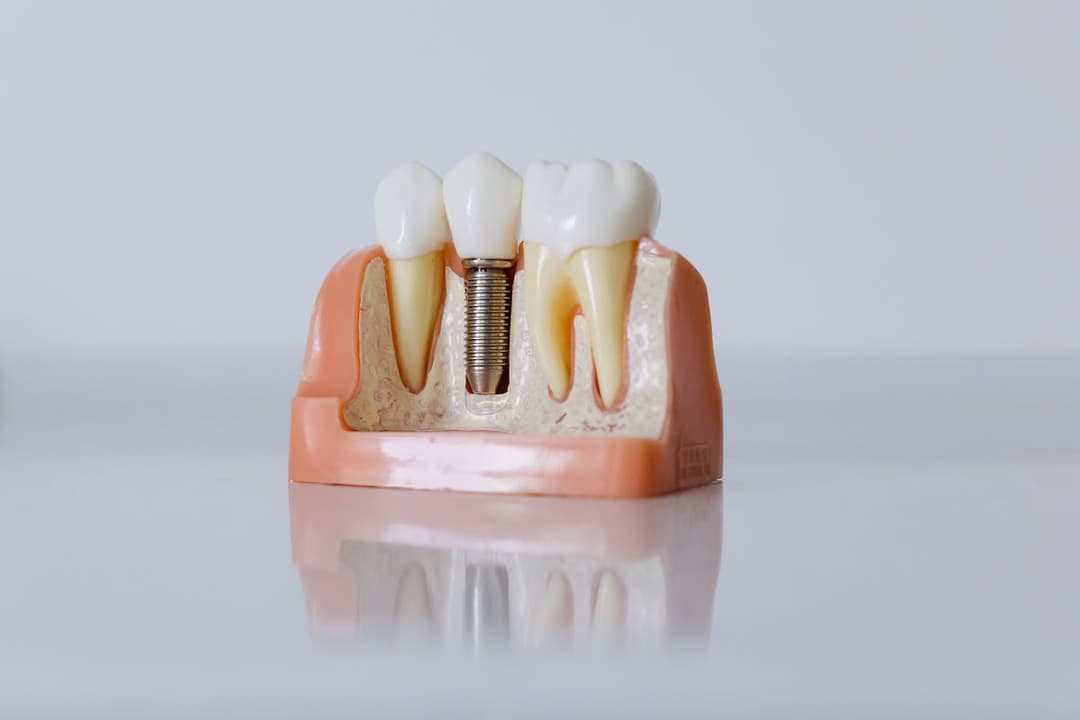
Because dental implants are anchored securely in the jawbone, they remain fixed in place, eliminating the movement that can cause speech problems with dentures. The shape and positioning of the implant-supported crowns mimic natural teeth, helping the tongue move properly for clear pronunciation.
Improvements include:
- Better articulation of consonants and vowels.
- Elimination of embarrassing clicks or slippage mid-sentence.
- Restoration of natural tooth spacing for smooth tongue movement.
This allows people to speak confidently in both casual and professional settings, improving social interaction and self-esteem.
Comfort and Natural Feel
One of the reasons implants improve chewing and speaking so effectively is their natural feel. Because they are embedded in the bone, they become part of your mouth’s structure rather than an external appliance.
Unlike dentures that require adhesives or may rub against the gums, implants stay secure without shifting. This means no sore spots, no sudden slips while eating, and no constant adjustments during conversation.
Long-Term Oral Health Benefits
Dental implants also support long-term oral health in ways that contribute to better chewing and speaking. They prevent the shifting of surrounding teeth, preserve jawbone density, and maintain facial shape.
By stabilising the jaw and teeth:
- You maintain a balanced bite, reducing uneven wear and strain.
- Your facial muscles remain supported, helping with both speaking and chewing comfort.
- The risk of TMJ (jaw joint) issues is reduced.
Psychological Benefits of Better Function
Improved chewing and speaking go hand-in-hand with better quality of life. Being able to enjoy your favourite foods without hesitation and speaking clearly without fear of embarrassment can boost confidence significantly.
People often find they socialise more, smile more often, and feel more at ease in public after getting implants. This improvement in self-esteem can have wide-reaching effects on both personal and professional life.
Are Dental Implants Right for You?

While implants offer many benefits, they are not suitable for everyone. Good candidates typically:
- Have healthy gums and adequate jawbone density.
- Maintain good oral hygiene habits.
- Do not smoke heavily, as this can affect healing.
- Are committed to following the dentist’s aftercare instructions.
If you are missing one or more teeth and want to restore both function and appearance, your dentist can assess whether implants are the best choice for you.
Caring for Your Dental Implants
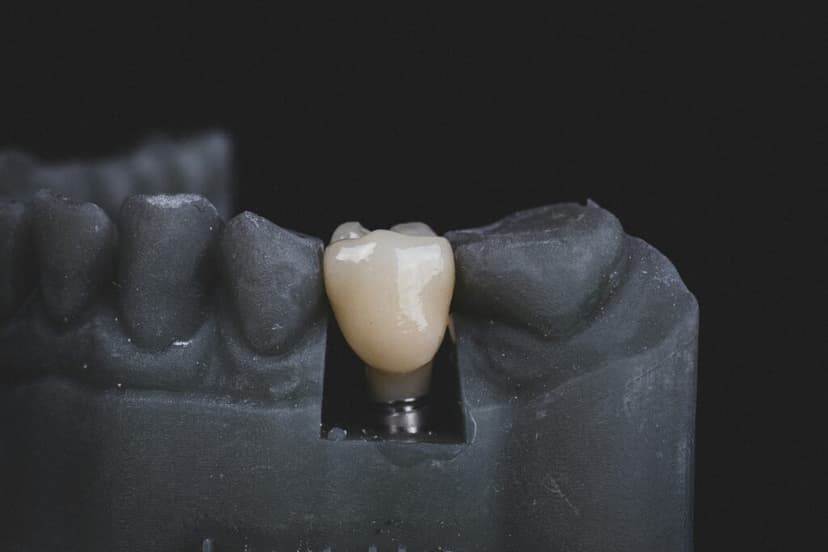
Dental implants, like natural teeth, need proper maintenance to ensure their longevity. Follow these essential care tips:
- Brush twice daily using a soft-bristled toothbrush.
- Floss or use interdental cleaners every day to keep hard-to-reach areas clean.
- Schedule regular dental check-ups for professional care and monitoring.
- Avoid using your teeth to open packages or chew on hard objects.
With consistent care, dental implants can last for decades, offering reliable support for chewing, speaking, and maintaining a confident smile for years to come.
Restore Your Smile with J. Ladd Williams Cosmetic Dentistry in Mesa
At J. Ladd Williams Cosmetic Dentistry, we specialize in creating confident, natural-looking smiles with high-quality dental implants customized to your unique needs.
Our skilled team combines advanced technology with personalized, compassionate care to deliver exceptional results. Whether you’re seeking a single tooth replacement or a full-mouth restoration, we’re here to help you eat, speak, and smile with ease and confidence once again.
Take the first step toward a brighter, more confident life. Call today to schedule your consultation!
FAQs
How do dental implants improve chewing and speaking?
Dental implants provide stability that helps restore proper chewing and speech clarity. They fill gaps missing teeth create, supporting proper tongue placement for clear pronunciation and effective chewing ability.
What is the process of receiving dental implants?
Dental implants begins with a consultation, possible bone grafting procedures, and tooth extraction if needed. The surgical phase is done under local anesthesia, placing the titanium implant into the jaw. A healing period follows as the bone fuses for optimal oral health.
Can dental implants replace multiple missing teeth?
Yes. Dental implants offer options like mini dental implants, zygomatic implants, or bridges supported by implants to replace missing teeth and protect adjacent teeth.
How does proper care affect long-term results?
Proper aftercare, including brushing, flossing, and avoiding plaque buildup, is essential. Dental implants promote better oral health, restore proper chewing and speech, and implants help restore proper function with a natural appearance that boosts confidence.
Conclusion
Implants integrate with your jawbone for a natural feel, and offer comfort unmatched by dentures or bridges.
Whether you are missing one tooth or several, implants can give you back the ability to enjoy food, speak clearly, and smile without worry. Implants change how you eat, talk, and feel every day, not just how you look.